
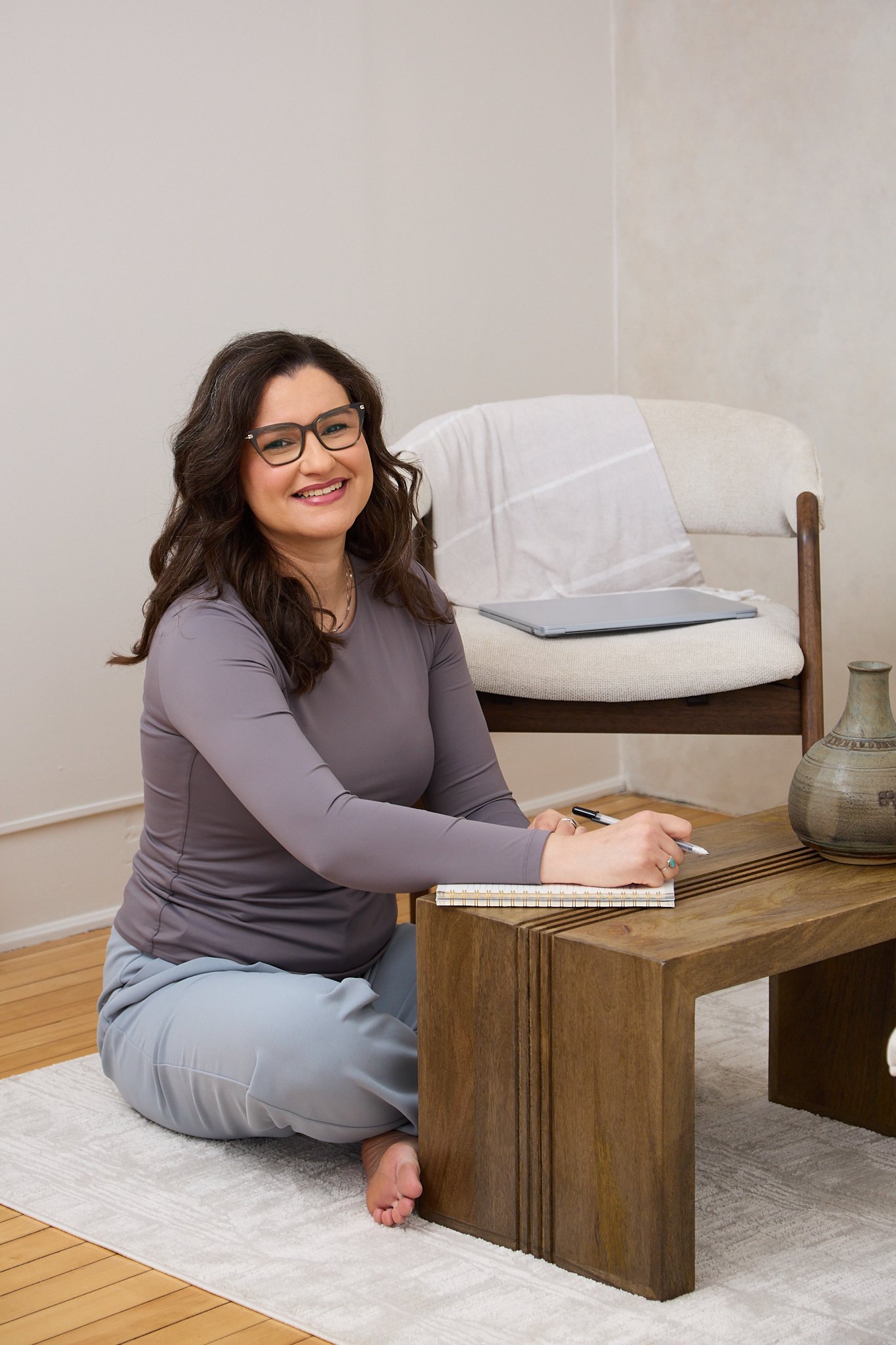

PSYCHOTHERAPY IN ENGLISH AND PORTUGUESE. ONLINE ACROSS ONTARIO, IN PERSON, IN BARRIE
Menopause and midlife therapy for women across Ontario
Perimenopause and midlife can touch your sleep, your mood, your relationships, and your sense of who you are. You do not have to sort through it alone, and you do not have to accept that this is simply part of getting older.
Midlife can ask a lot of you
often all at once.
Sleep that will not come. A short fuse you do not recognize in yourself. Grief you have not had time to sit with. Roles that keep multiplying while you keep going, because everyone around you needs you to.
You may have been told this is normal. Normal does not mean you have to carry it without support.
WAYS TO BEGIN
Support shaped around your life, not a protocol
My core training is psychodynamic psychotherapy, which means we pay attention to what sits underneath the thoughts and the habits, including what your body may be carrying. Where structure serves you better, I draw on CBT-I, the Gottman Method, and somatic and mindfulness-based work.
I do not believe in quick fixes for complex problems. The pace is yours, the plan is built together, and your culture, your values, and your faith are welcome in the room if they matter to you.
01. INDIVIDUAL THERAPY
For anxiety, grief, and the disorientation of not feeling like yourself. Available online, in person in Barrie, or walking outdoors along the waterfront.
02. THERAPY FOR INSOMNIA
Structured CBT-I to understand your sleep patterns and rebuild rest. One to one, or in a small group of no more than seven.
03. COUPLES THERAPY
For partners facing disconnection, mismatched needs, and the strain that midlife change can place on a relationship.
FREE RESOURCES
Freebie: The Mental Health Tracker
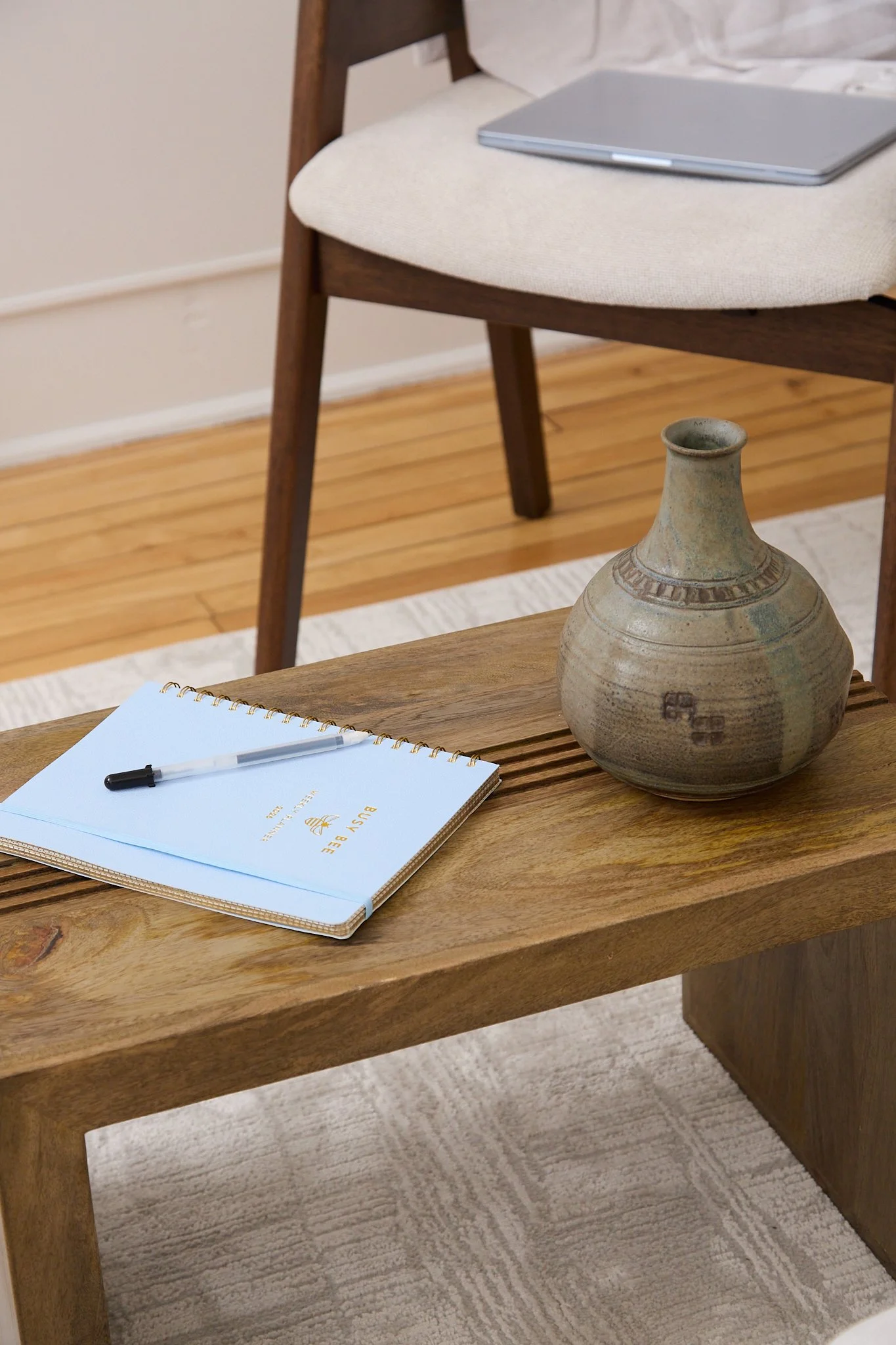
01/ The Mental Health Tracker
Newsletter: Monthly Mental Health Guidance
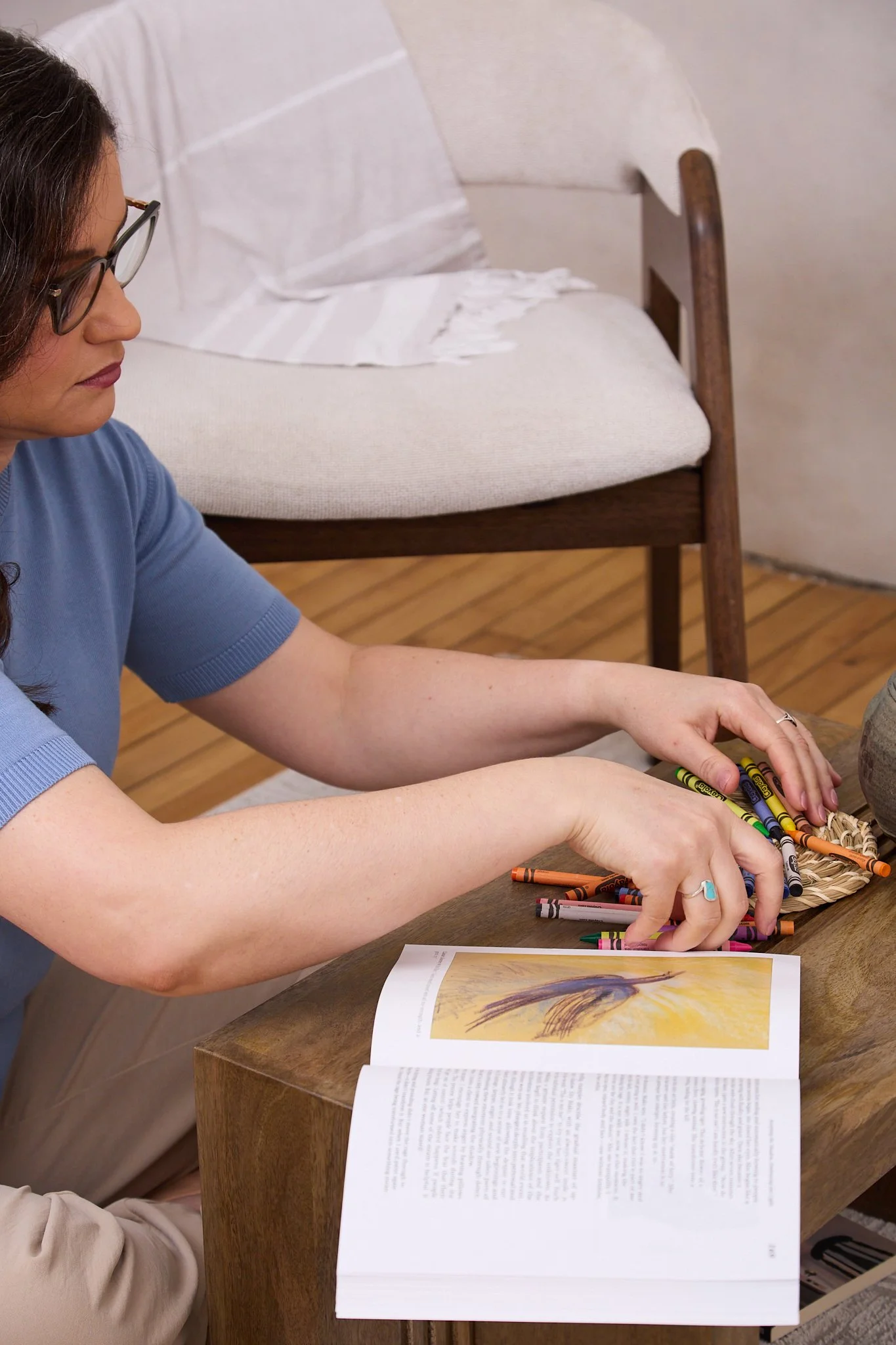
02/ Monthly Mental Health Guidance
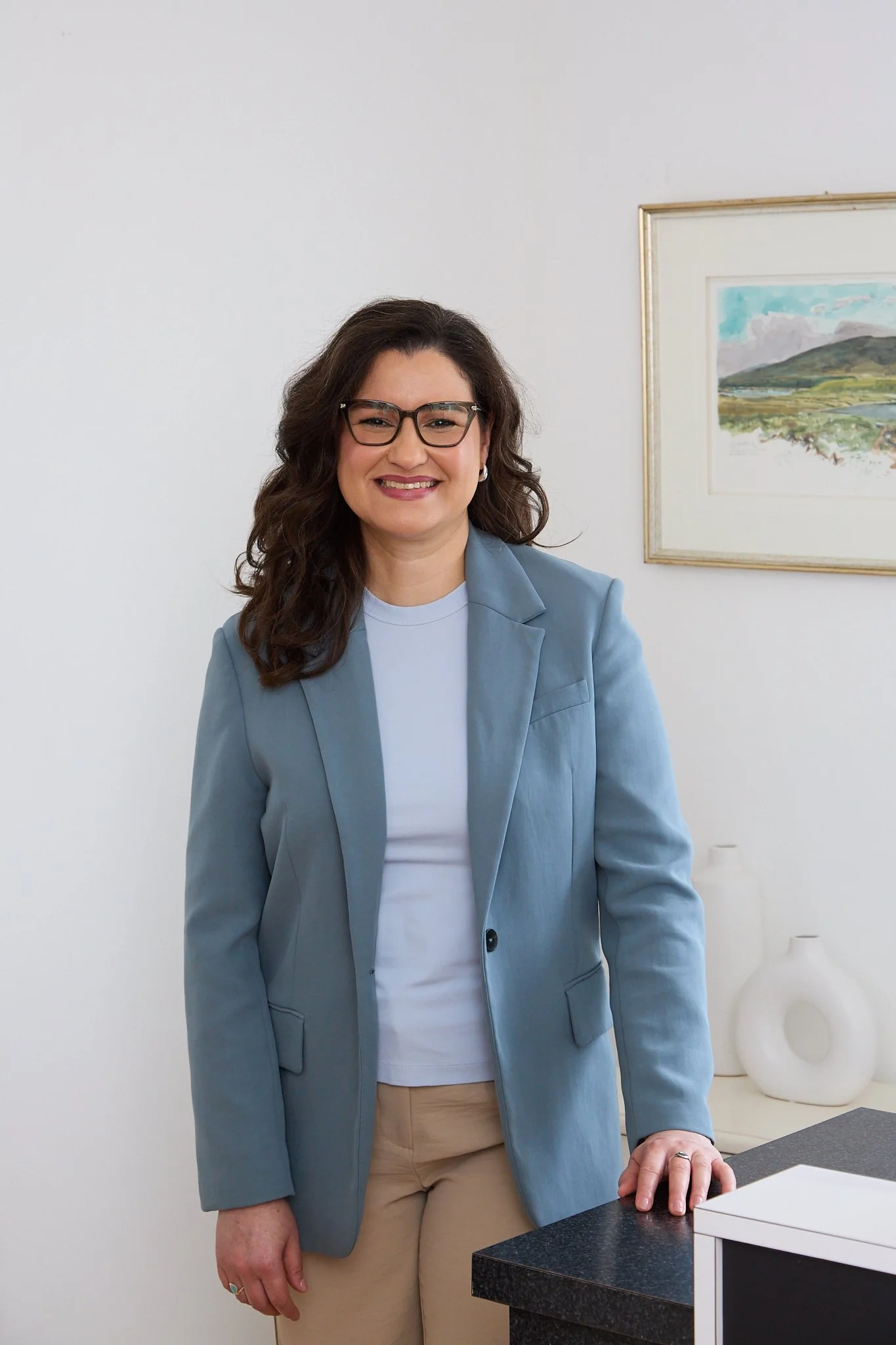
BEHIND THE PRACTICE
I know what it is to be between seasons
I am Josi. I was born in a small town in Minas Gerais, Brazil, and I have rebuilt a life twice as an immigrant, first in the United States and then here in Canada. Living with a chronic condition taught me to practise self-compassion and to listen to my body long before I had the training to name what was happening.
That is the work I offer now. I am a Registered Psychotherapist, and I practise psychodynamic psychotherapy in English and Portuguese, for women moving through change who would like some guidance or support while they do it.

You do not have to keep managing this on your own
We start with a free video call of 15 to 30 minutes, so you can ask questions and get a sense of how I work before anything else is decided. Sessions are available online across Ontario and in person in Barrie.